What happens when you build a new industry?

New analysis by Arup reveals how the impact of Lighthouse Green Fuels could spread far beyond its future home at Seal Sands.
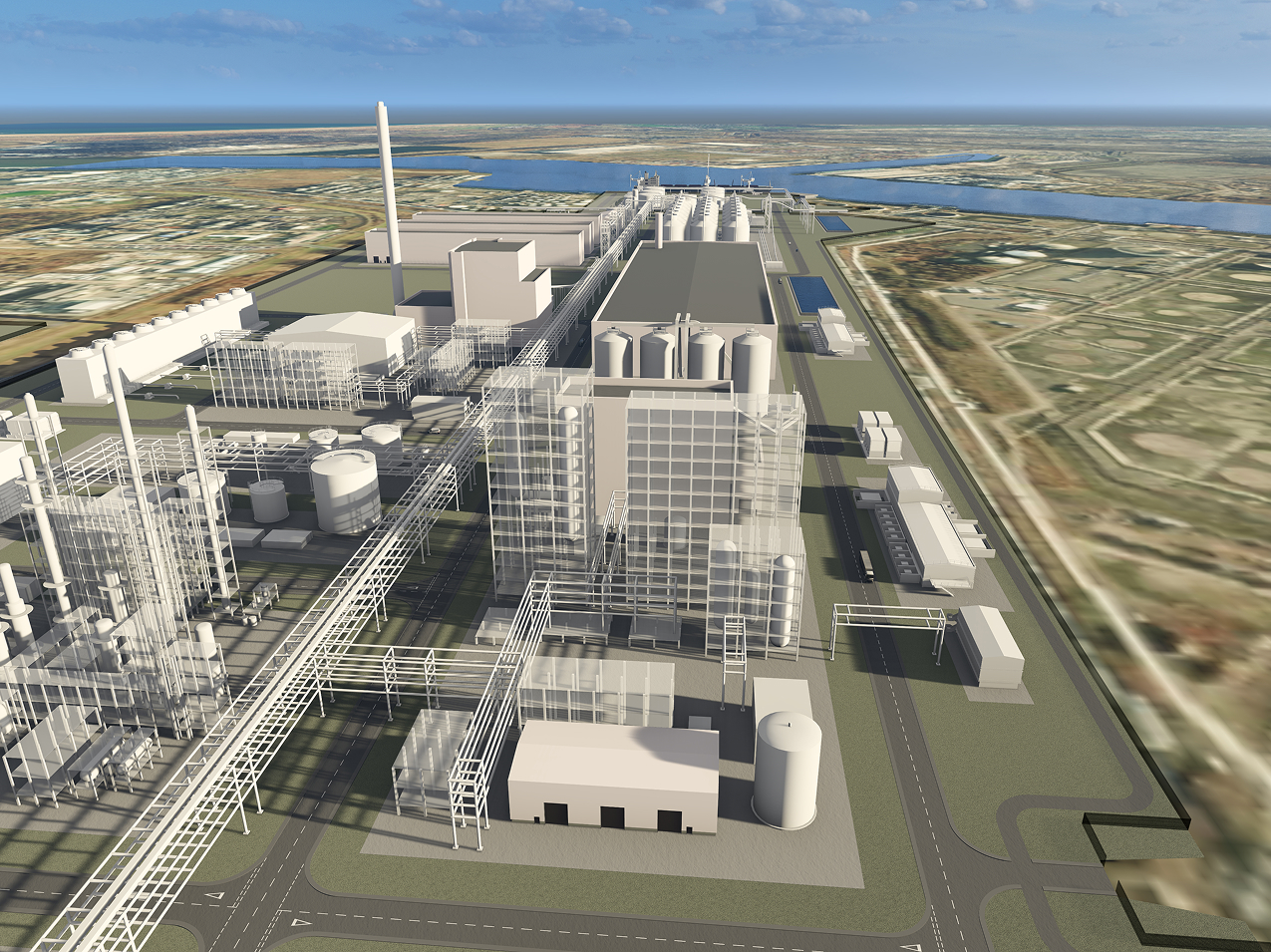
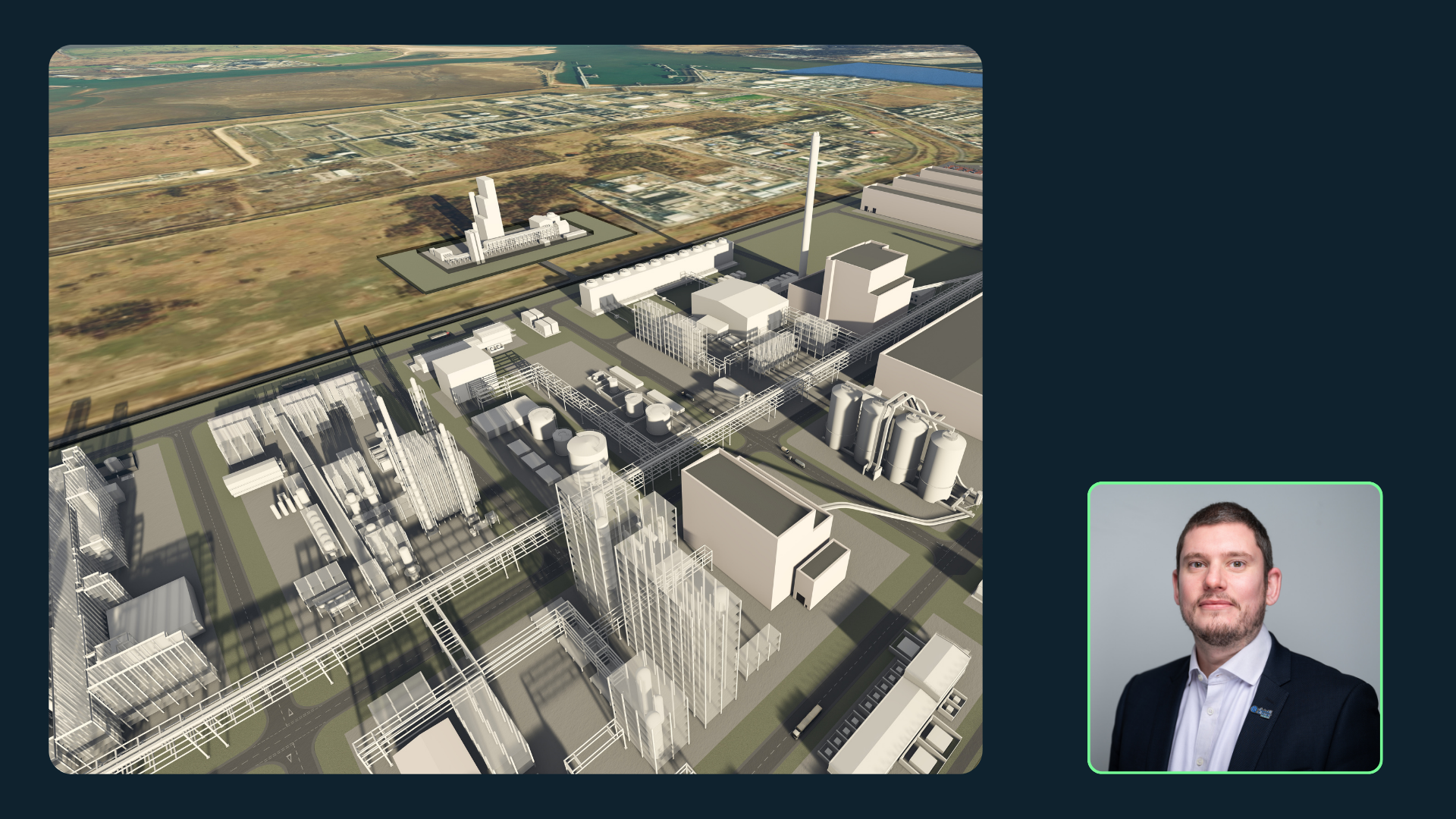
New industrial facilities are easy to picture in terms of what eventually stands on the site: steel, pipework, processing equipment and, in the case of Lighthouse Green Fuels, a facility capable of producing 180 million litres of Sustainable Aviation Fuel every year.
Much of this economic impact is less visible. It begins before the facility becomes operational, reaching engineering firms, manufacturers, construction businesses and professional services. It continues long after construction ends, through the businesses, workers and communities connected to its operation.
To understand the scale of this impact, Lighthouse Green Fuels commissioned Arup to undertake a detailed socio-economic assessment of its proposed facility at Seal Sands.
The assessment examines the project's economic contribution across four years of construction and the first 20 years of operation, although the facility is expected to operate for more than 30 years.
The findings reveal the potential scale of the opportunity: not just for Teesside, but for businesses, workers and communities across the country.
The impact starts before first fuel
Construction of Lighthouse Green Fuels will require significant investment in equipment, materials, engineering and specialist services.
It’s forecasted that £1.9 billion will be invested in UK supply chains during the construction period.
At peak construction, around 2,200 people are expected to be working on site, with a further 1,200 off-site jobs supported through manufacturing and supply chains. Across the 4-year construction period, the project could support almost 23,000 job-years across the UK economy.
For Teesside, that activity is expected to generate around £700 million in Gross Value Added during construction.
But the impact extends well beyond the project boundary.
A facility of this scale requires businesses to design, manufacture, transport, install and maintain its equipment, alongside a range of specialist professional services. Those businesses then create further economic activity through their own supply chains and the spending of their employees.
Arup's assessment captures these direct, indirect and induced effects. It measures not only the economic activity generated at Seal Sands, but also the wider impact of the investment across the UK economy.
From construction project to long-term industrial asset
The nature of that impact changes once construction finishes.
Lighthouse Green Fuels is expected to operate for more than 30 years, creating more than 320 permanent skilled roles on site across areas including engineering, process operations and maintenance.
During its first three years of operation, the facility is forecast to support around 3,750 jobs across the UK, including more than 680 across Teesside.
For the regional economy, Arup forecasts approximately £61 million in GVA every year during operations.
These figures demonstrate the difference between a temporary construction project and a long-term industrial asset.
Lighthouse Green Fuels will establish new fuel-manufacturing capacity in Teesside, creating sustained demand for skilled workers, goods and services. Over time, that activity could also help strengthen local supply chains, retain industrial expertise and create opportunities for businesses to support the next generation of industrial development.
Building on what Teesside already has
Teesside's industrial heritage is one of its greatest assets.
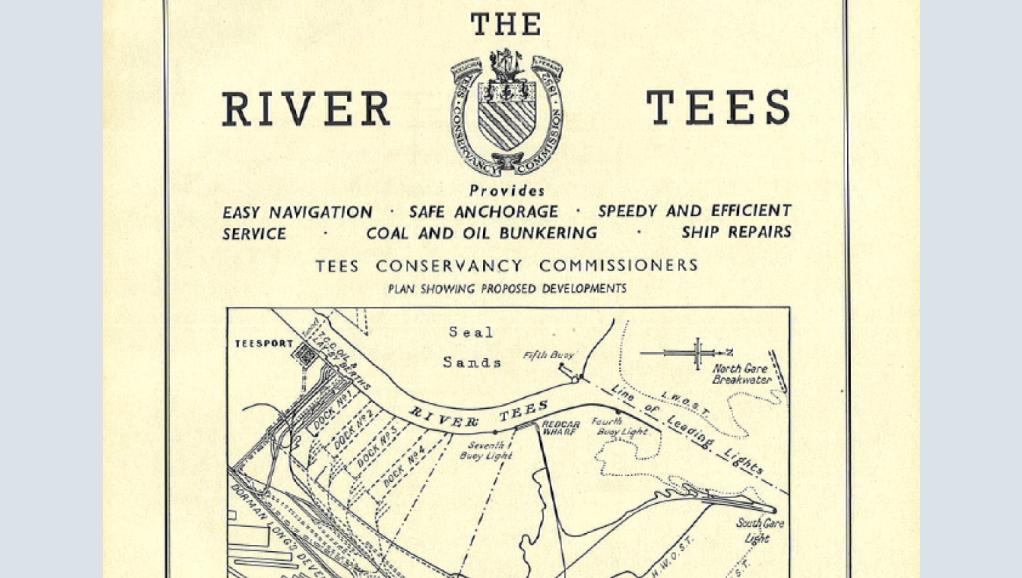
Seal Sands sits within a region shaped by generations of heavy industry, engineering and chemical manufacturing. The skills, infrastructure and industrial expertise developed here provide a strong foundation for the next generation of manufacturing.
Lighthouse Green Fuels will bring a 270-acre brownfield industrial site back into productive use, connecting that established capability with the emerging sustainable fuels industry.
For people already working in Teesside's industrial economy, this creates opportunities to apply existing engineering and technical expertise to new forms of manufacturing. For colleges, universities and training providers, it strengthens the link between the skills being developed today and the industries expected to need them tomorrow.
Businesses across the North East could also benefit from opportunities to join the project's supply chain and build relationships that extend beyond a single facility.
This is what industrial transition can look like in practice: building on Teesside's industrial heritage, applying its existing strengths to new industries and creating opportunities for the region to remain at the forefront of UK manufacturing.
The £8 billion picture
Across construction and operation, Lighthouse Green Fuels could generate more than £8 billion in Gross Value Added (GVA) across the UK economy, according to Arup's assessment.
Behind that headline figure is a wider economic contribution: investment through British supply chains, thousands of jobs supported, long-term skilled employment and new opportunities for engineering and manufacturing businesses.
Much of this activity will begin in Teesside, but its benefits could extend across the country.
At the centre of it all is a facility designed to produce a fuel the UK will increasingly need. Once operational, Lighthouse Green Fuels is expected to manufacture around 180 million litres of SAF each year, alongside approximately 30 million litres of renewable naphtha, strengthening the UK's domestic production capability for sustainable aviation fuels.
For Teesside, the opportunity is about more than hosting a major infrastructure project. It is about building on the region's industrial strengths, creating new economic opportunities and helping establish a new industry in the UK.
Explore the full economic impact of Lighthouse Green Fuels and the findings from Arup's analysis on our new Impact page.
Stay Updated on the Journey to Jet Zero
Follow the latest developments from Lighthouse Green Fuels as we progress one of the world's most advanced Sustainable Aviation Fuel facilities in Teesside.