Building a UK SAF industry: The opportunity for UK PLC

Sustainable Aviation Fuel is essential to the future of flight. But the opportunity for Britain extends well beyond aviation decarbonisation. A domestic SAF industry could create tens of thousands of jobs, attract investment into industrial regions and establish new markets for British engineering and technology.
The UK has an important choice to make about the future of aviation fuel. As demand for Sustainable Aviation Fuel (SAF) grows, we can increasingly rely on production overseas, or invest in the industrial capability to manufacture it here.
Both routes could help aviation reduce its emissions. But only one offers the opportunity to establish a new British industry, generating economic value across manufacturing, engineering, logistics and the wider supply chain.
The potential is substantial. New independent analysis by ICF, commissioned for Sustainable Aviation, estimates that UK SAF production could support around 25,000 jobs by 2040, rising to approximately 67,000 by 2060. Its modelling also suggests the industry could contribute around £11 billion in annual Gross Value Added (GVA) by 2060.
These are long-term projections, dependent on the successful development and expansion of domestic production. Nevertheless, they illustrate an important point: SAF is as much an industrial opportunity as it is an environmental one.
Economic value beyond the refinery
When we think about SAF production, it's natural to focus on the facilities themselves: the investment required to build them, the people employed to operate them and the fuel they will produce.
Yet much of the economic opportunity lies beyond the production site.
A commercial-scale SAF facility requires an extensive network of suppliers and specialist services, from feedstock collection and processing to engineering, equipment manufacturing, transport, construction and ongoing maintenance.
ICF's analysis highlights the significance of these activities. Of the approximately 67,000 jobs projected by 2060, the largest proportion would be supported in upstream activities and supply chains, rather than directly within SAF production facilities.
The same applies to economic output. ICF estimates that domestic SAF production could contribute approximately £600 million in GVA by 2030, growing to around £11 billion annually by 2060, with upstream activity accounting for the majority.
This matters because it changes how we should think about investment in SAF. Supporting domestic production isn't simply about creating a market for a new fuel. It's about creating sustained demand for the British businesses, skills and industrial services needed to manufacture it.
For established engineering and manufacturing companies, SAF offers an opportunity to diversify into a growing market. For smaller businesses, it could create new customers, contracts and opportunities to invest in specialist capabilities.
And for the UK economy, it offers the prospect of retaining more of the value associated with aviation fuel production at home.
Bringing new investment to Britain's industrial regions
The geography of SAF production presents another important opportunity.
Advanced fuel manufacturing needs access to industrial infrastructure, transport connections, engineering expertise and, in some cases, carbon capture and storage networks. Many of these capabilities are already concentrated in Britain's established industrial regions.
Places such as Teesside have spent generations developing the workforce, infrastructure and technical expertise needed to support complex industrial operations. SAF provides an opportunity to put those strengths to work in a new market.
Rather than replacing traditional industrial capabilities, the transition to advanced fuels can build upon them.
Lighthouse Green Fuels: What this opportunity looks like in practice
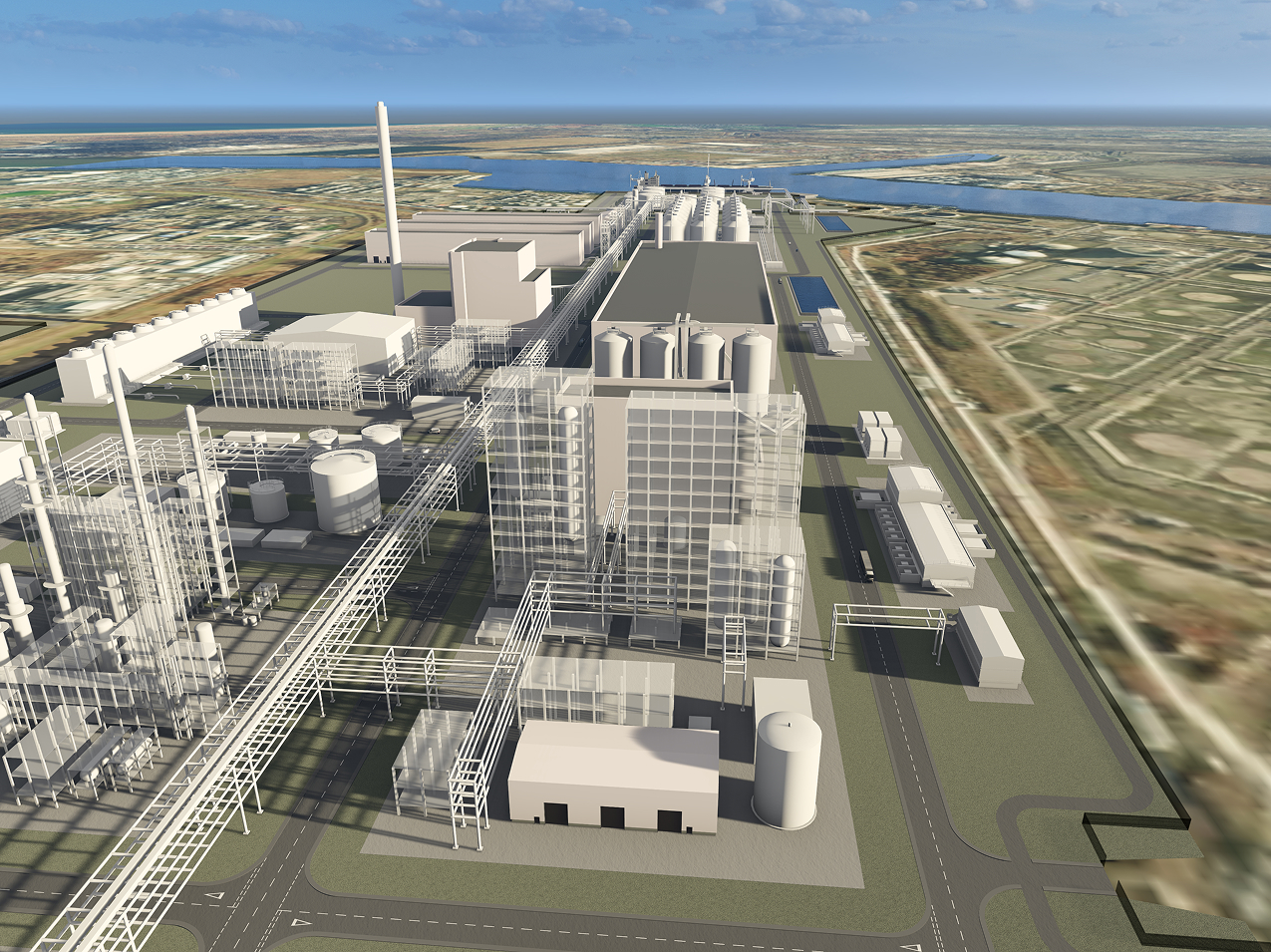
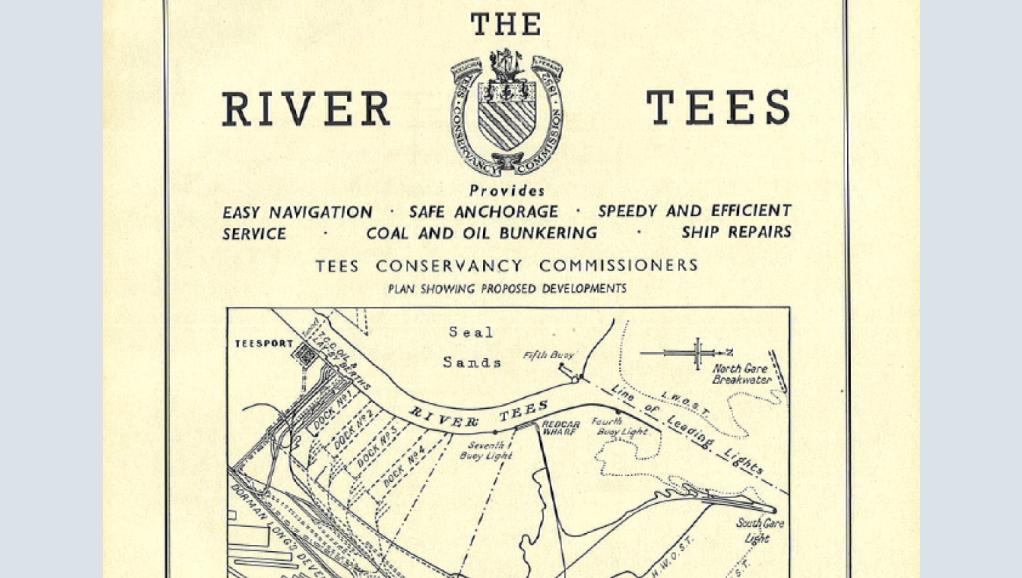
At Seal Sands on Teesside, Lighthouse Green Fuels (LGF) is developing a multibillion-pound advanced SAF facility designed to produce approximately 180 million litres of SAF annually, alongside 30 million litres of renewable naphtha.
Having completed Front End Engineering Design in May 2026, the project provides a tangible example of the scale of investment and economic activity that domestic SAF production could bring.
An independent socioeconomic assessment by Arup identifies the potential for LGF to deliver:
- More than £8 billion in UK GVA over the project's assessed lifetime.
- 2,200 on-site construction jobs at peak, alongside approximately 1,200 off-site roles.
- More than £1.9 billion in UK supply chain expenditure, creating opportunities for businesses across the country.
- More than 320 permanent skilled roles at the facility once operational.
The assessment also estimates £700 million in GVA for Teesside during construction and approximately £61 million annually during operations.
These figures demonstrate how investment in a single SAF facility generates value locally and nationally, supporting employment, suppliers and industrial activity over several decades.
LGF is also working with local education and training providers to help develop the future skills pipeline, connecting the project's long-term workforce requirements with opportunities for people across Tees Valley.
Creating an export opportunity for British expertise
The potential benefits of establishing a UK SAF industry do not end at domestic fuel production.
As global demand for SAF grows, countries will need the engineering capabilities, specialist equipment and technical expertise required to develop and operate new facilities.
By establishing commercial-scale production at home, the UK could strengthen its position in international markets for process engineering, technology development, project delivery and associated services.
British companies already possess relevant capabilities across energy, chemicals, advanced manufacturing and carbon capture. A successful domestic SAF sector would provide opportunities to develop, demonstrate and export that expertise.
The ambition, therefore, should extend beyond producing fuel for British aviation. It should include building an industrial capability that can compete internationally.
The prize is substantial. A domestic SAF industry could help Britain meet its aviation decarbonisation commitments while creating skilled employment, strengthening industrial supply chains and opening new export markets.
The question is no longer simply how the UK will secure enough SAF to meet its mandate. It is how much of the economic opportunity Britain wants to capture by producing that fuel at home.

Stay Updated on the Journey to Jet Zero
Follow the latest developments from Lighthouse Green Fuels as we progress one of the world's most advanced Sustainable Aviation Fuel facilities in Teesside.