Seal Sands: The Next Chapter in a Landscape Built for Industry
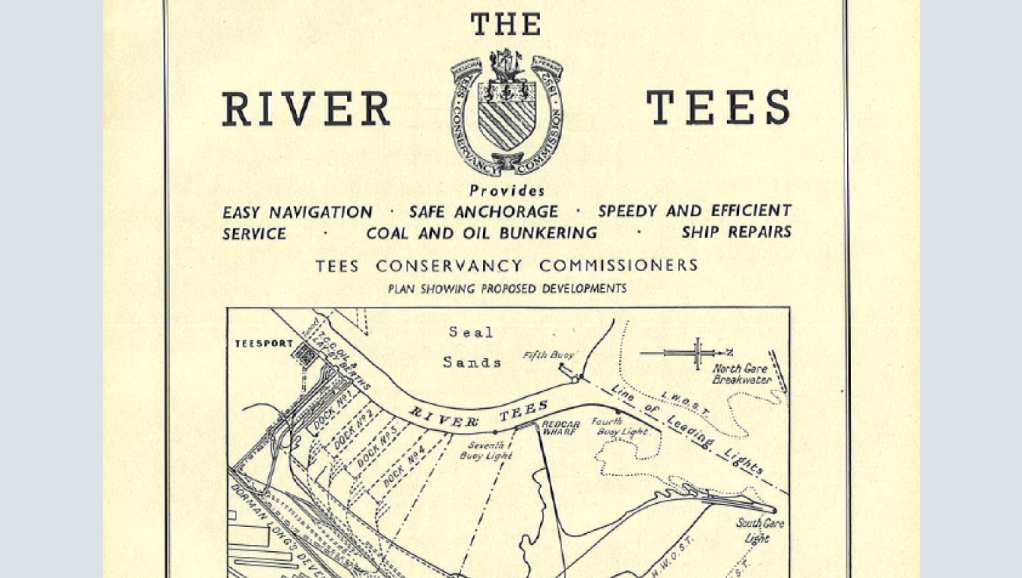
For more than a century, Seal Sands has been a place where Britain's industrial ambitions have taken shape.
Situated on the north bank of the River Tees, the site has continually adapted to meet the changing needs of the nation. Heavy chemicals, refining, advanced manufacturing and energy have all shaped the landscape over successive generations. Each era has left behind infrastructure, engineering expertise and communities built around industry.
The challenge facing British industry today is different again: finding practical ways to decarbonise sectors where alternatives remain limited. Sustainable aviation is one of those sectors, and Lighthouse Green Fuels (LGF) represents the latest chapter in the long industrial story of Seal Sands.
An industrial landscape by design
Seal Sands did not develop by chance.
Its position alongside the River Tees offered deep-water access, extensive areas of available land and excellent transport connections, making it an ideal location for large-scale industry. During the twentieth century these natural advantages were deliberately reinforced through planned industrial development.
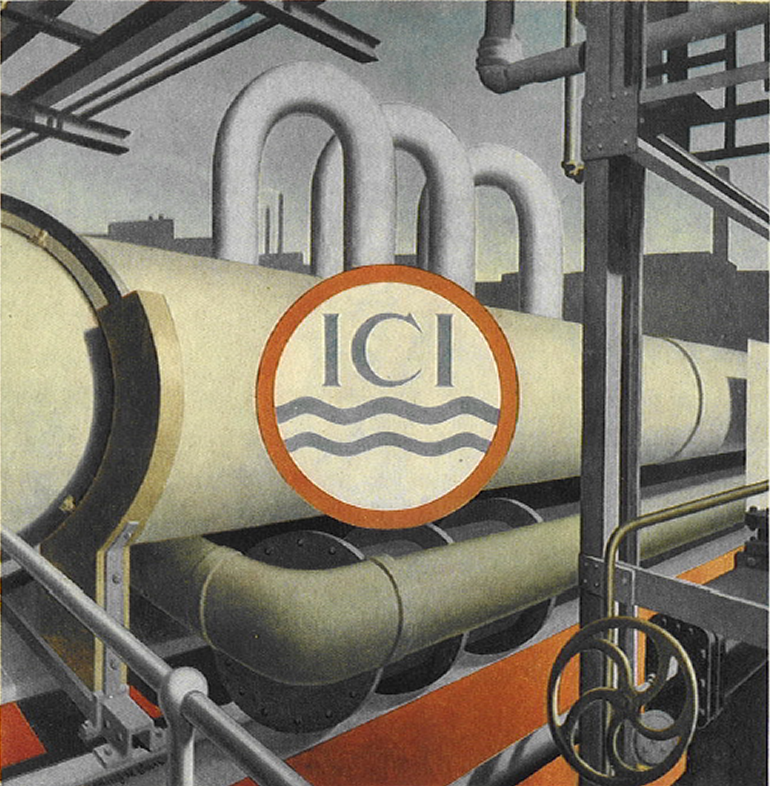
Following the Second World War, ICI's masterplan for the area established Seal Sands as one of Britain's foremost centres for chemical manufacturing. Rather than a collection of individual factories, it became an integrated industrial complex, where businesses could share infrastructure, utilities, pipelines and transport links. This model of industrial clustering helped attract investment for decades and remains one of the defining characteristics of Teesside today.
Where previous generations were connected by railways, pipelines and port infrastructure, the next generation of industry will also be connected by carbon transport and storage networks.
All of which contributes to Seal Sands remaining one of the UK's most strategically important industrial locations.
A history of reinvention
The industries occupying Seal Sands have continually evolved alongside Britain's changing economic priorities.
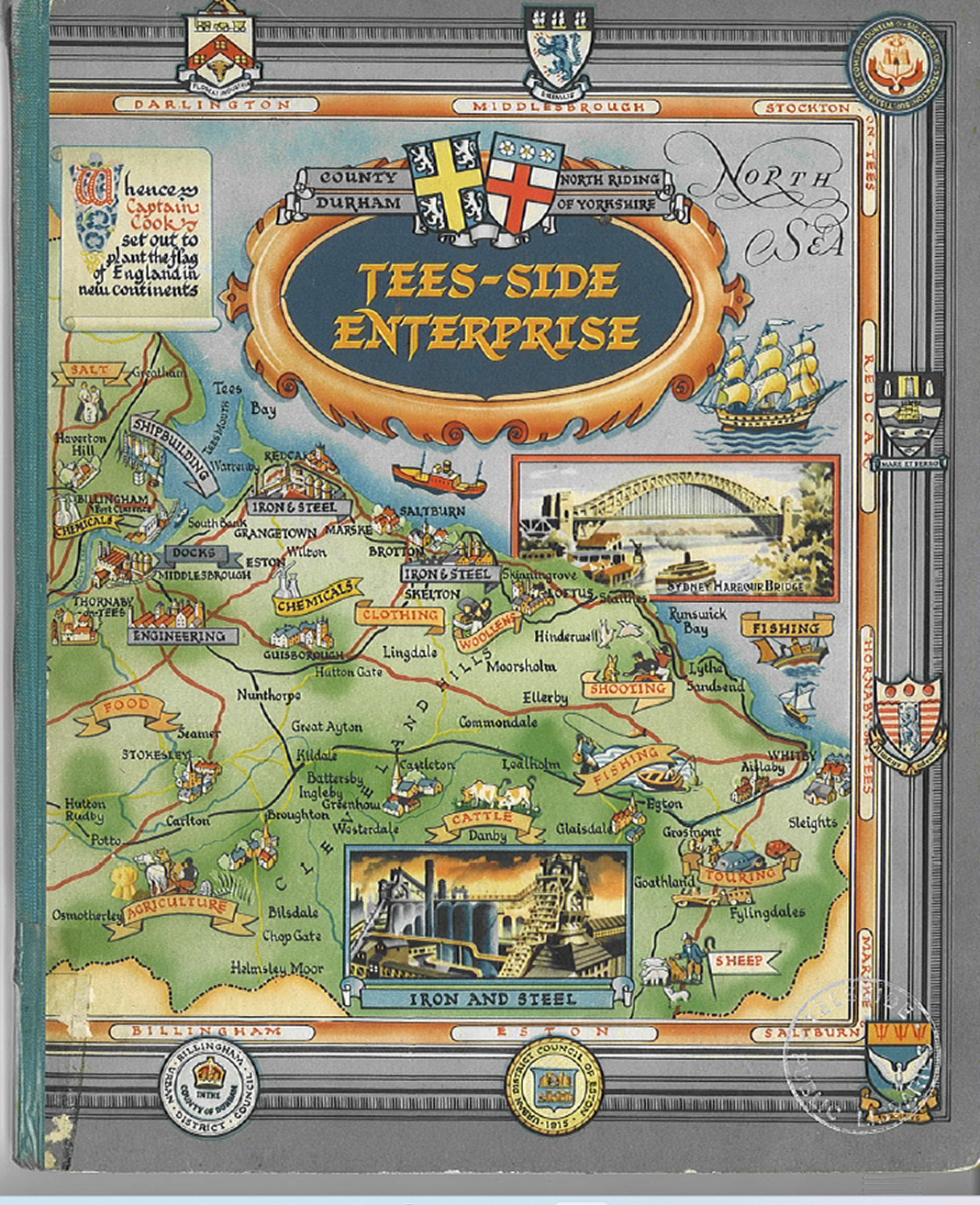
Chemical production expanded rapidly throughout the twentieth century. Refining, petrochemicals and advanced process industries followed. Across the wider Teesside area, steelmaking became synonymous with the region's identity, employing tens of thousands of people and exporting products around the world.
When British Steel announced construction of the Redcar Blast Furnace in the 1970s, it was described as the centrepiece of a £500 million investment programme that would create "a new Teesside". Capable of producing 10,000 tonnes of iron every day, it was one of the largest and most technologically advanced blast furnaces in Europe, incorporating computer-controlled systems that represented the cutting edge of industrial engineering at the time.
Company publications celebrated the project as the beginning of "a new era", describing the changing skyline as a symbol of the rebirth of Teesside's steel industry and its position as one of the world's leading steel-producing regions.
Those words reflected a wider confidence that investment in industrial capability would continue to secure prosperity for future generations.
Industry and community
Industry shaped communities as much as it shaped the landscape itself.
Successive generations across Teesside built careers in engineering, manufacturing and process industries, developing specialist skills that became recognised around the world.
When global markets changed and major employers declined, the consequences were seismic. The closure of SSI in 2015, following years of uncertainty within the steel sector, marked the end of more than 170 years of ironmaking on Teesside and affected thousands of workers, families and supply chain businesses.
Local historian Dr Tosh Warwick has written extensively about this period, noting the strength of public interest in preserving the region's industrial heritage. As familiar landmarks disappeared from the skyline, archives, photographs and personal memories became increasingly important in documenting how industry had shaped both the landscape and the identity of the area.
That enduring interest reflects an understanding that each generation of industry forms part of a much longer story, to which Lighthouse Green Fuels will now contribute.
During construction, the project is expected to support over 2,000 roles, creating opportunities for contractors, tradespeople, suppliers and service providers across the region. Once operational, the facility is expected to create around 300 highly skilled permanent roles, including process engineers, control room operators and maintenance specialists, while supporting a further 3,400 full-time equivalent jobs across the UK through its wider supply chain.
Like the industries that came before it, the project's impact will extend well beyond the site itself.
Building on industrial foundations
The advantages that first attracted heavy industry to Seal Sands continue to shape that story today, but they are now complemented by something entirely new.
Teesside sits at the heart of the UK's industrial decarbonisation strategy. Together, Teesside and the Humber account for almost half of the UK's industrial carbon emissions, making the region one of the country's highest priorities for large-scale decarbonisation.
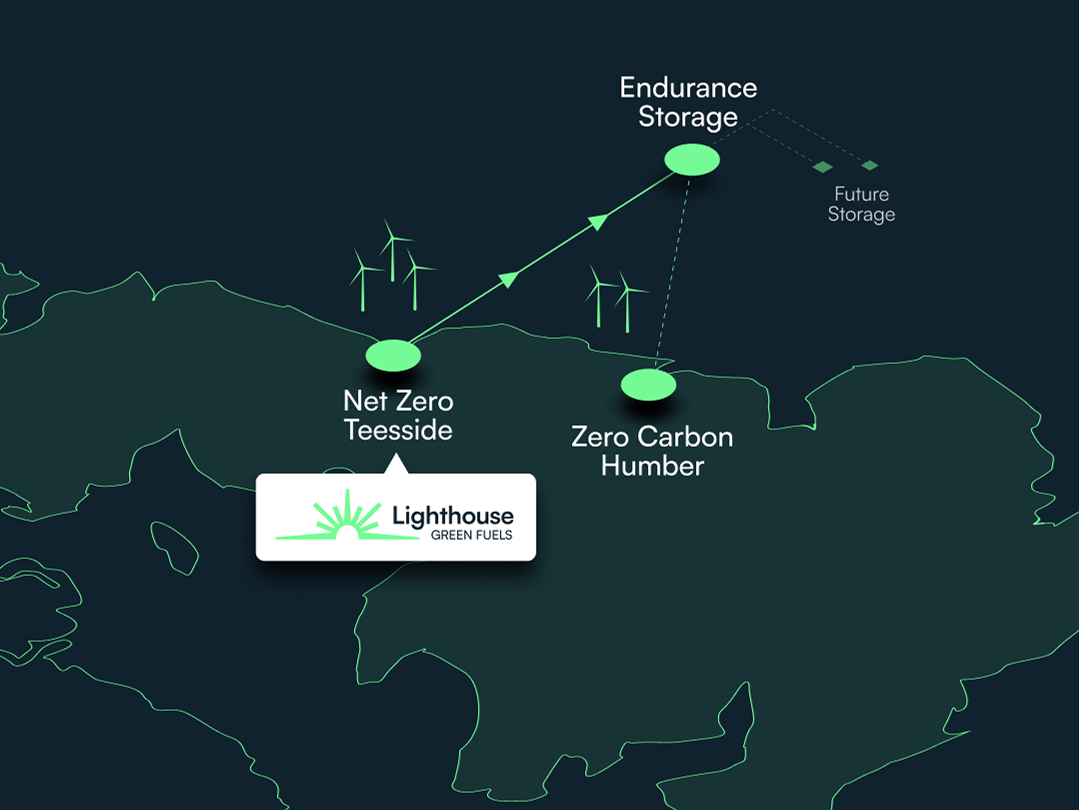
The East Coast Cluster (ECC) is central to that ambition. Bringing together carbon capture, transport and permanent offshore storage infrastructure, it’s creating the foundations for a new generation of low-carbon manufacturing across the region.
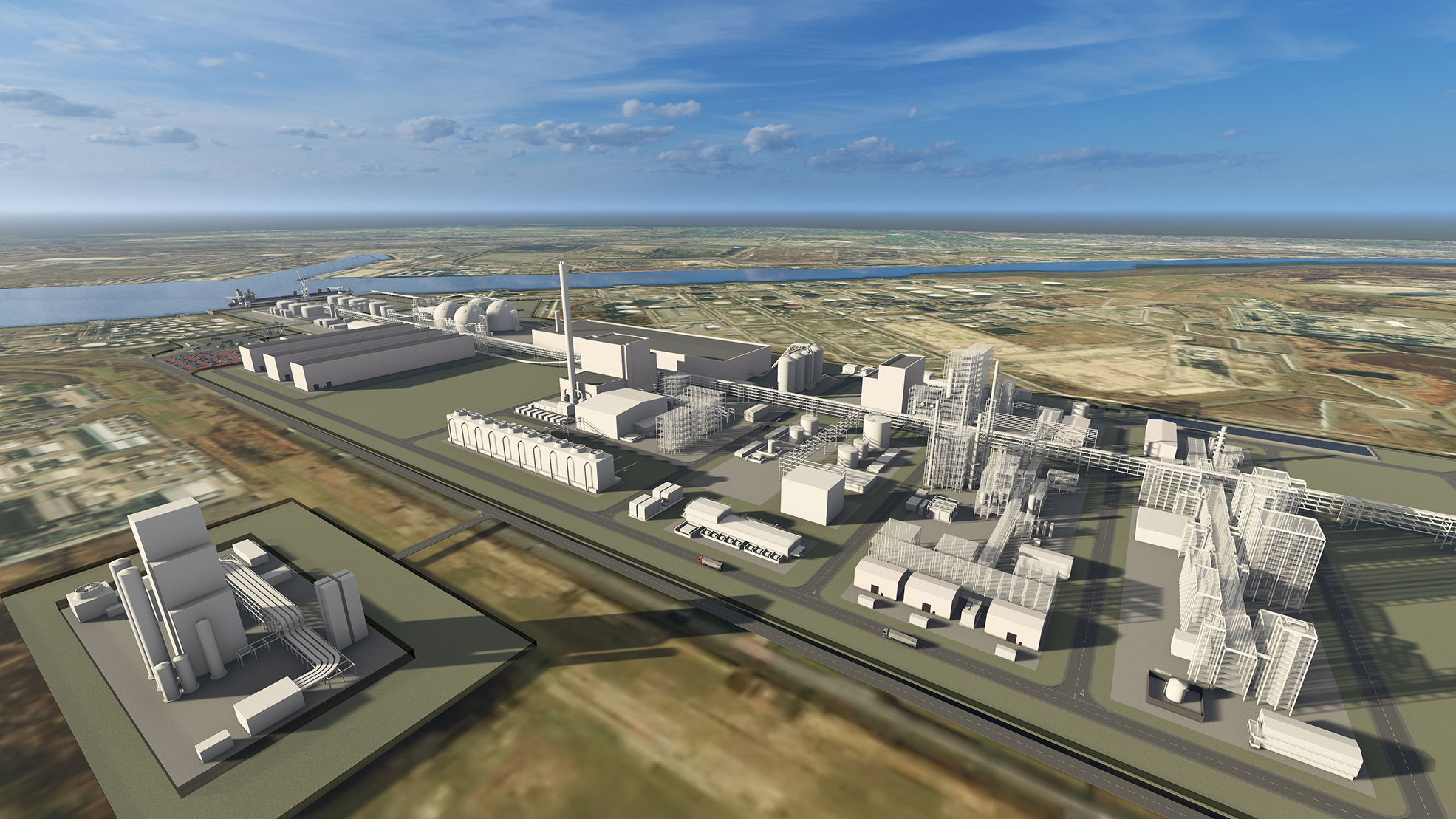
Lighthouse Green Fuels is designed to become part of that wider industrial ecosystem. The facility will convert sustainably sourced biomass into sustainable aviation fuel using the Fischer-Tropsch process and, once operational, is expected to produce 180 million litres of SAF each year.
Carbon capture and storage infrastructure, through the East Coast Cluster, has the potential to transform the project's environmental performance further.
By permanently storing biogenic carbon dioxide generated during fuel production, the facility could progress from producing low-carbon sustainable aviation fuel to carbon-negative fuel, strengthening its contribution to the UK's aviation decarbonisation ambitions.
The next chapter
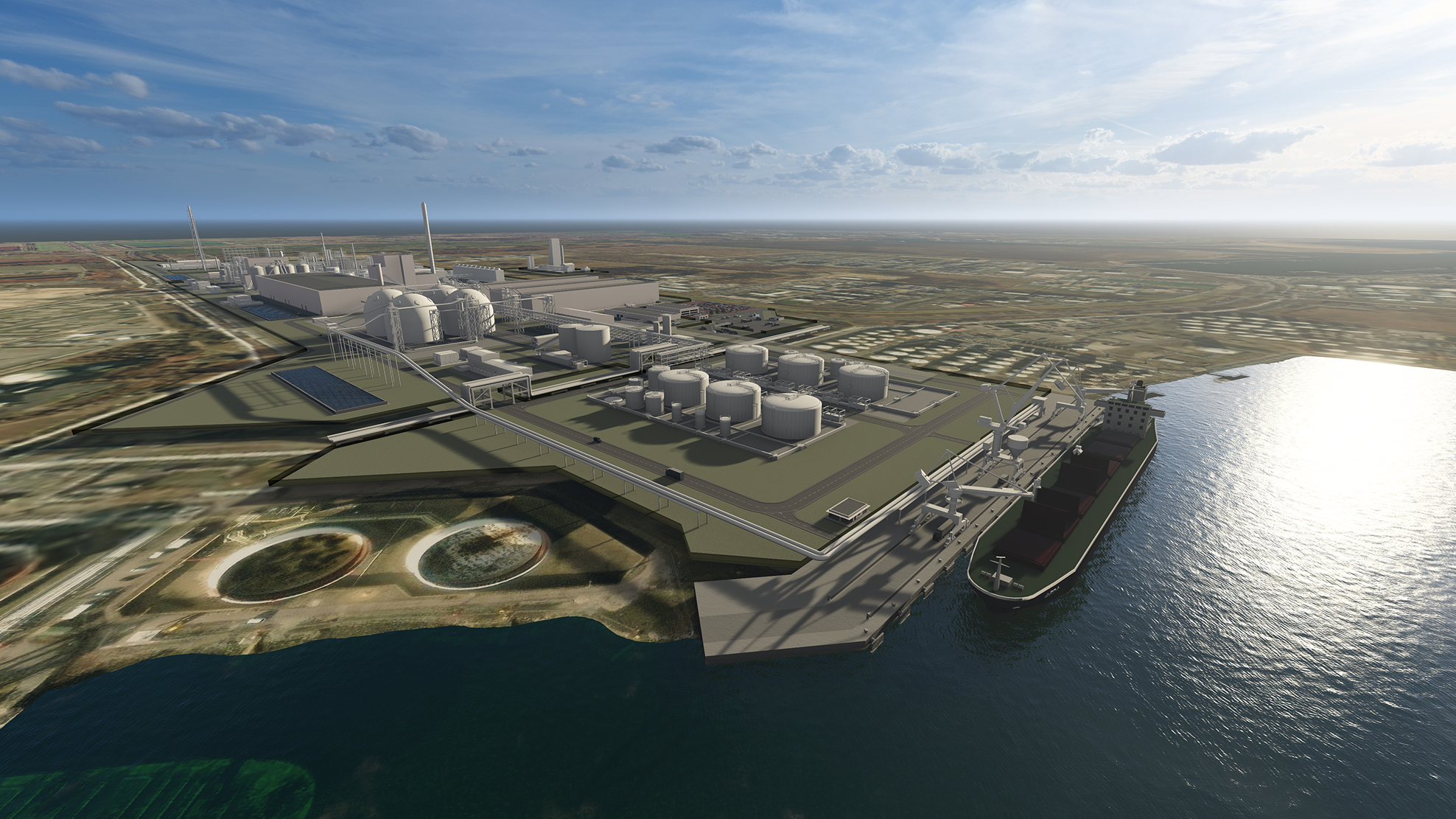
Industrial history is often viewed through the landmarks that remain, but places like Seal Sands demonstrate that their greatest strength has always been their ability to evolve.
While the industries, technologies and national priorities have changed, what’s endured is the combination of engineering capability, infrastructure and a workforce able to adapt to new challenges.
For more than a century, Seal Sands has been a place that has helped shape Britain's economy. As aviation begins its own transition towards lower-carbon flight, the site is once again being asked to do something nationally – if not globally - significant.
History suggests that this is a role it knows well.
Follow the next chapter; subscribe to the LGF Dispatch: https://www.lighthousegreenfuels.co.uk/lgf-dispatch
With thanks to Dr Tosh Warwick, historian, author and founder of Heritage Unlocked, for his generous contribution of research and historical insight during the development of this article. His work preserving and interpreting Teesside's industrial heritage continues to provide an invaluable record of the region's rich history.
To learn more about Dr Tosh Warwick's work and publications, visit Heritage Unlocked.
Header image credit: Middlesborough Libraries & Heritage Unlocked.
%20-%20WDN%202.jpg)
.png)
Stay Updated on the Journey to Jet Zero
Follow the latest developments from Lighthouse Green Fuels as we progress one of the world's most advanced Sustainable Aviation Fuel facilities in Teesside.