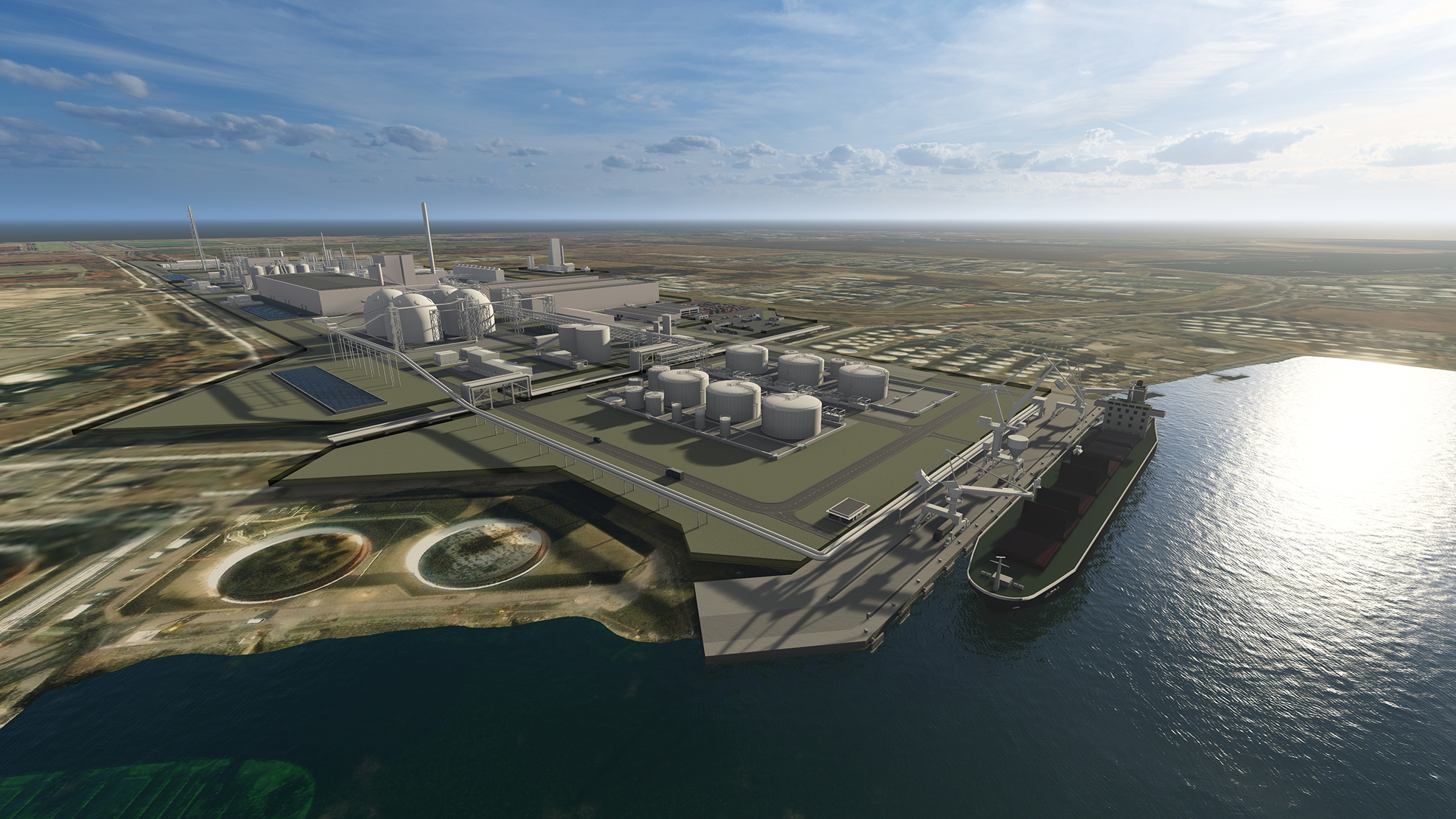
Building one of the largest second-gen SAF plants globally
From Teesside, Lighthouse Green Fuels will produce 180m litres of SAF each year: enough to offset 27,000 short-haul flights a year while creating jobs and supply chain opportunities across the UK.
A project built for scale and impact
Q2 2025
Third consecutive Advanced Fuels Fund (AFF) award
LGF secured its third round of support from the UK Government’s Advanced Fuels Fund, showing sustained government backing and providing additional resources for final engineering and pre-construction work.
Q2 2026
Front End Engineering Design (FEED) completed
LGF completed FEED, establishing the engineering basis for the project and marking a major milestone towards construction.
Q3 2026
Development Consent Order (DCO) submission
The project will submit a DCO application, including environmental assessments and a community consultation, to secure approval for construction at its Seal Sands site in Teesside.
2033
Commercial Operations Expected
Once operational, the facility will produce 180m litres of SAF annually, alongside 30m litres of renewable naphtha.
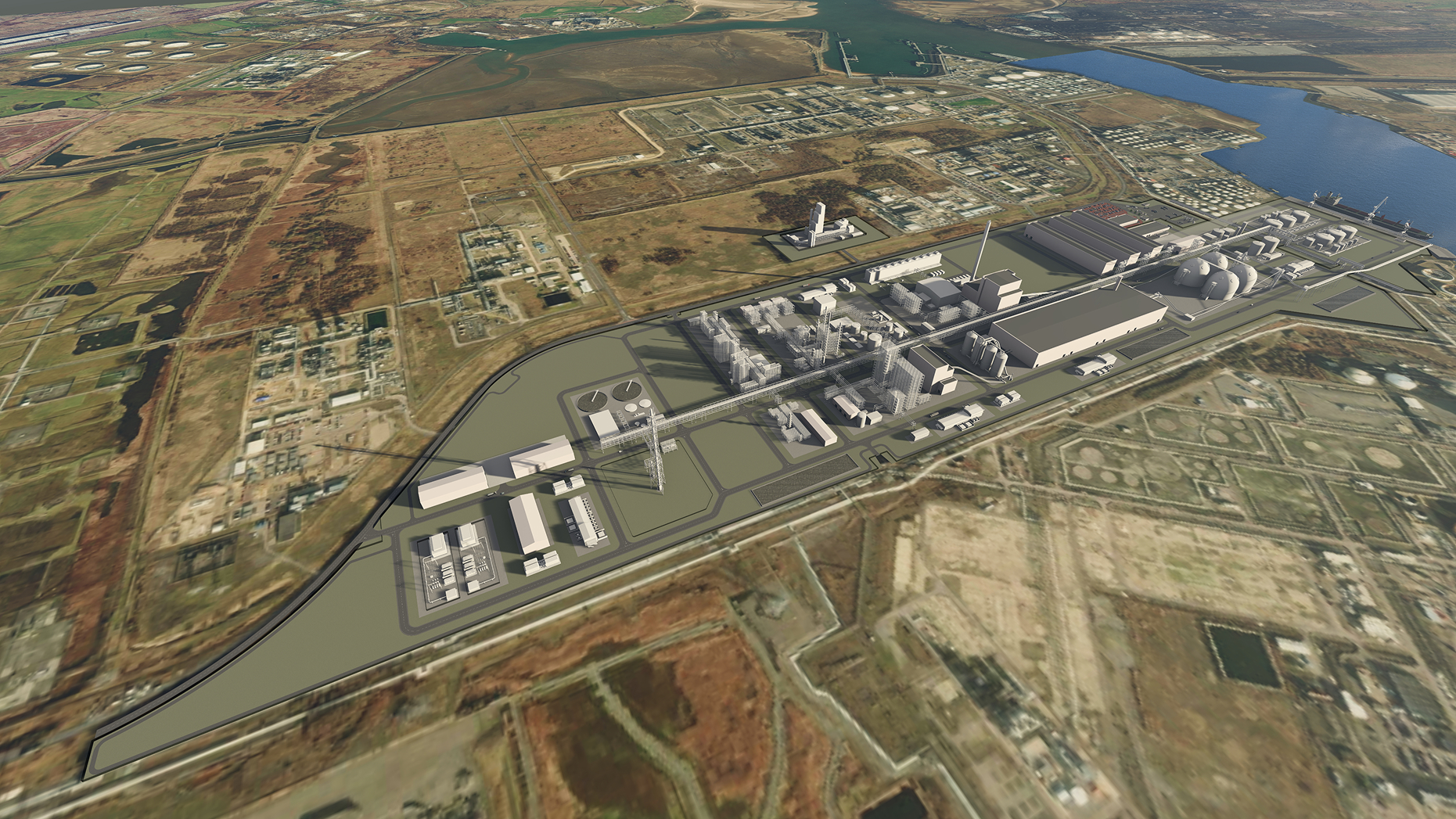
The UK's First New Refinery in a Generation
Visualising the transformation from today's site to a fully operational SAF production facility
%202.avif)
%20-%20WDN%201.jpg)
Turning what’s wasted into what the world needs.
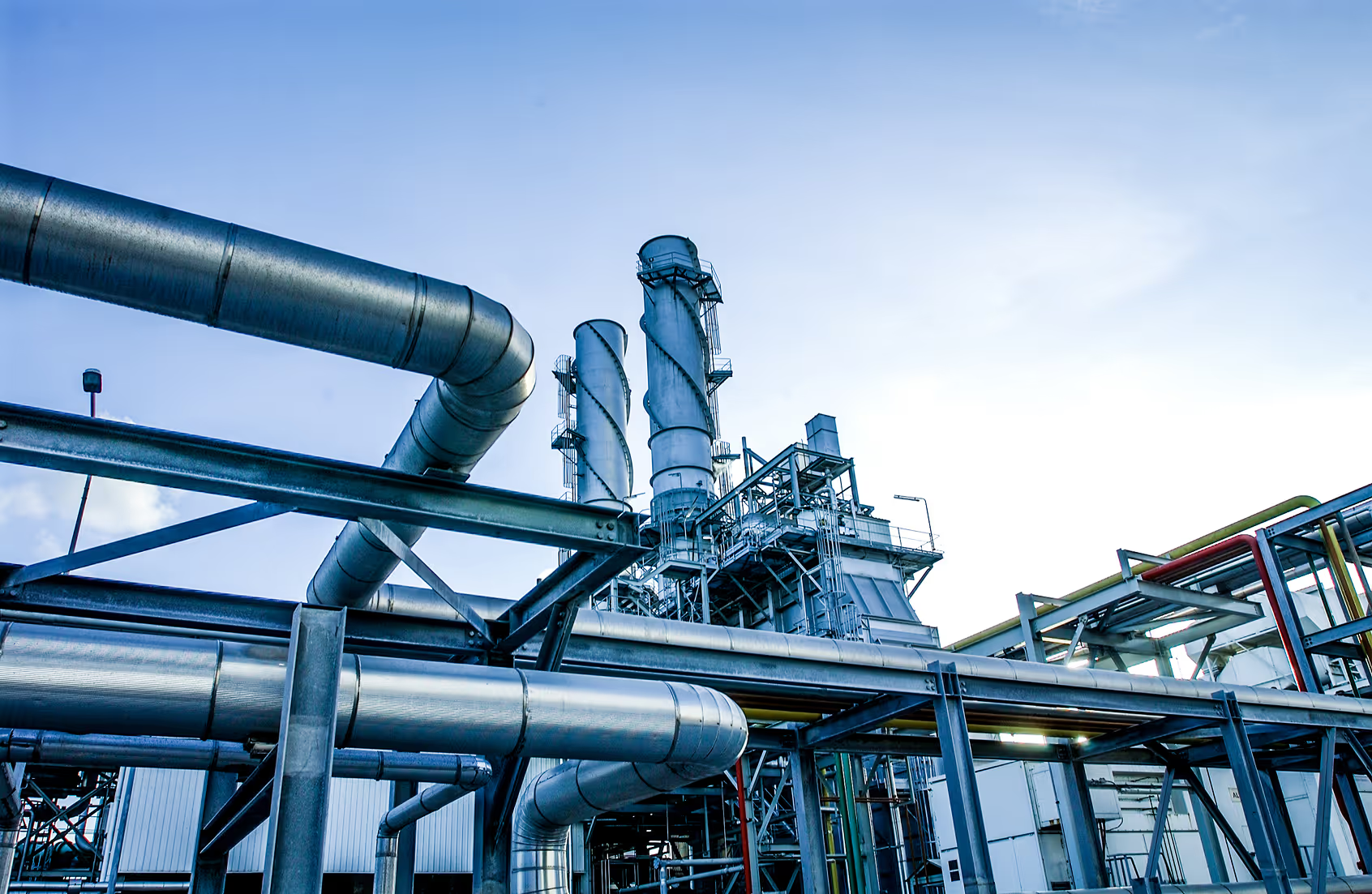
Every year, large volumes of biomass - such as damaged timber, sawmill offcuts and agricultural by-products like sunflower husks - are left underused or discarded. At LGF, we see their hidden value: renewable feedstocks that can power aviation, not pollute land or air.
Proven science, scaled for real impact.
These residues are converted through gasification and Fischer–Tropsch synthesis. Gasification turns waste into clean synthesis gas, which is then catalytically transformed into liquid hydrocarbons. With carbon capture integration, this process unlocks deep - even net-negative - emissions savings.

A drop-in solution for cleaner skies.
The result is sustainable aviation fuel (SAF) and renewable naphtha. SAF is certified as a drop-in fuel, meaning it blends seamlessly with conventional jet fuel. It powers both business and leisure flights today, helping airlines cut emissions without changing engines or infrastructure.

Valuing what would otherwise be wasted
Lighthouse Green Fuels turns what’s underused today into the energy that powers tomorrow.
Our feedstocks are drawn entirely from sustainably-sourced biomass: materials with no role in food, farming, or construction.
Every tonne of feedstock we convert avoids landfill, displaces fossil fuels, and keeps valuable carbon in circulation - fuelling a cleaner, more resilient aviation future. The primary feedstocks for Lighthouse Green Fuels come from sustainably sourced biomass, including forestry residues, sawmill offcuts, and agricultural by-products. These materials are classed as biogenic wastes and residues under the UK SAF Mandate and meet strict sustainability standards.
Importantly, no material is sourced from primary forests or ancient woodland, ensuring the project protects valuable ecosystems.
Built for carbon-negative flight
LGF’s SAF production is carbon capture and storage (CCS) enabled. CO₂ removal is built into the SAF production process, making truly carbon-negative SAF possible.
Capturing CO₂ as a high-purity stream for permanent storage, the Teesside facility would avoid 750,000 tonnes of emissions each year - equivalent to around 4,500 transatlantic flights.
Every litre of SAF not only replaces fossil jet fuel, it actively removes carbon from the atmosphere, helping airlines cut emissions without new engines or infrastructure. A step change in aviation decarbonisation, designed to help decarbonise aviation.
The next generation of SAF
Why LGF’s second-generation pathway matters
Aviation is one of the hardest sectors to decarbonise and it risks becoming one of the largest sources of global emissions as passenger numbers continue to grow.
In the UK:
- The Government has committed to net zero aviation by 2050 under its Jet Zero Strategy
- The UK SAF Mandate, in force since 2025, requires an increasing share of aviation fuel to come from Sustainable Aviation Fuel
- By 2030, at least 10% of all UK aviation fuel must be SAF with a cap on HEFA coming into effect
Meeting these targets requires commercial-scale second-generation SAF production, while domestic production can also strengthen the UK’s aviation fuel security and reduce reliance on imports.
Once operational, Lighthouse Green Fuels will convert over 1.5 million tonnes of sustainably sourced biomass each year to produce:
- 180 million litres of advanced SAF annually
- 30 million litres of renewable naphtha as a co-product
Compared with conventional jet fuel, Lighthouse Green Fuels is expected to:
- Deliver more than 350,000 tonnes of CO₂ savings per year through SAF production
- With access to Teesside’s planned carbon capture and storage (CCS) infrastructure, lifecycle savings could rise to around 750,000 tonnes of CO₂ per year
This integrated carbon capture capability is built into the LGF production process, creating the potential for significantly greater lifecycle emissions savings when connected to CCS.
During operations, Lighthouse Green Fuels will support:
- Over 3,750 jobs supported across the UK
- More than 680 jobs supported in Teesside
- Over 320 jobs on-site once operational
LGF also plans to establish or support apprenticeship and training pathways and help build long-term skills in construction, engineering, operations and low-carbon fuels.
Lighthouse Green Fuels represents a major investment in Teesside’s industrial future:
- Multibillion-pound private investment
- Regeneration of a brownfield industrial site
- Creation of skilled, long-term jobs in the green economy
- New opportunities for local suppliers and contractors
LGF will be a hub of SAF expertise, helping Teesside play a leading role in the UK’s low-carbon aviation industry.
Our path to delivery
Transparent consultation and planning, with defined milestones
Development Consent Order (DCO) application
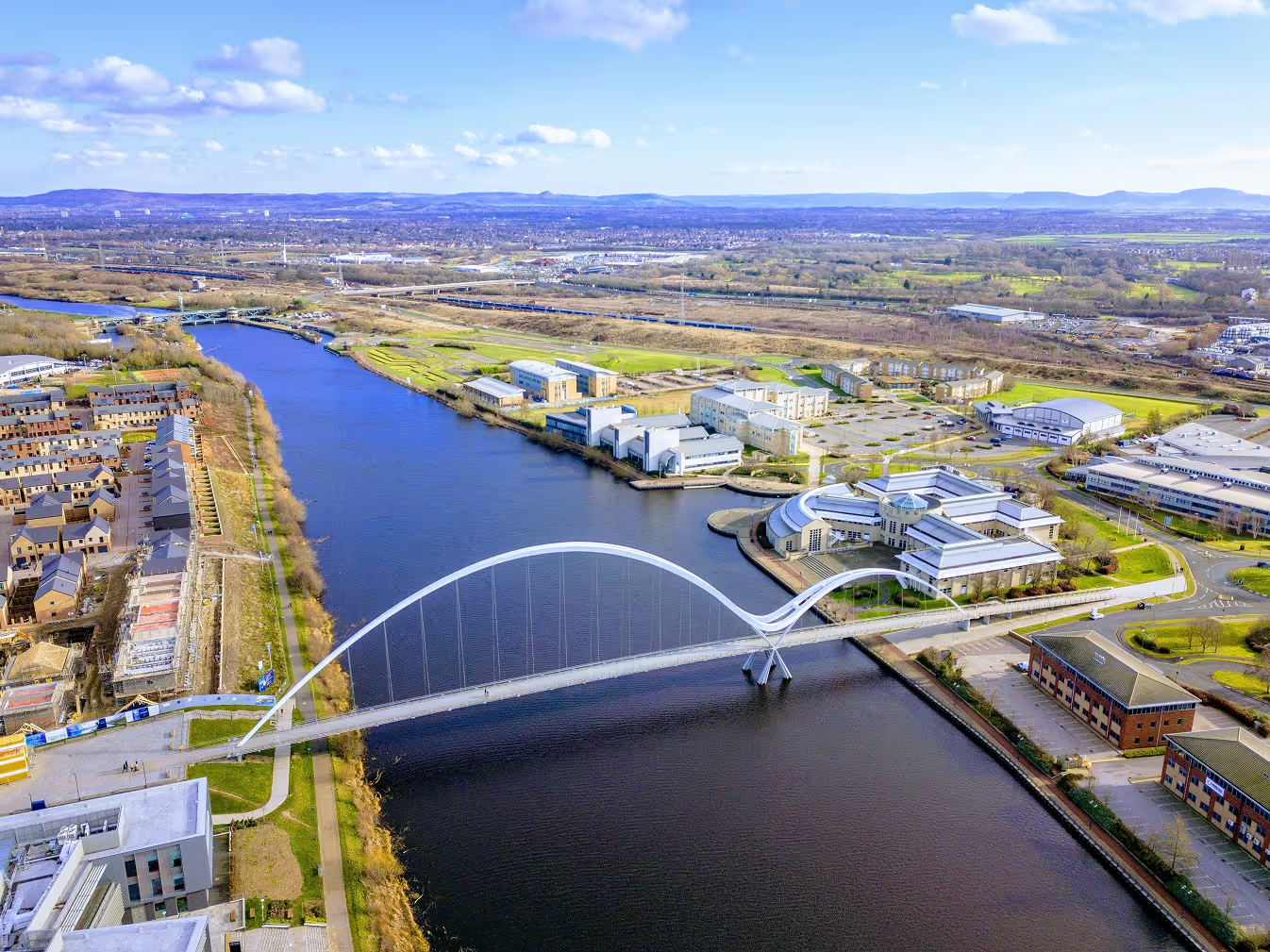
LGF is preparing to submit its DCO application in September 2026 for the Seal Sands site. The application follows statutory consultation, environmental assessment and stakeholder engagement, and will seek consent to develop and operate the LGF facility and associated infrastructure.
Next steps
Lighthouse Green Fuels has made significant progress towards delivering commercial-scale SAF production in Teesside. With FEED completed in May 2026, the project is now progressing into the next phase of development, including Project Management Consultancy (PMC) and Engineering, Procurement and Construction (EPC), alongside preparations for its DCO submission.
Policy & support
LGF is the only SAF project in the UK to have secured funding in every round of the UK Government’s Advanced Fuels Fund, demonstrating sustained government support for the project. The UK SAF Mandate provides a clear framework for growing demand for sustainable aviation fuel and supports the development of a competitive domestic SAF industry.
Together with continued government and industry support, this framework can help unlock investment in advanced SAF production while strengthening UK fuel security, supporting jobs and building long-term industrial capability.