Lighthouse Green Fuels completes FEED for flagship Teesside SAF facility
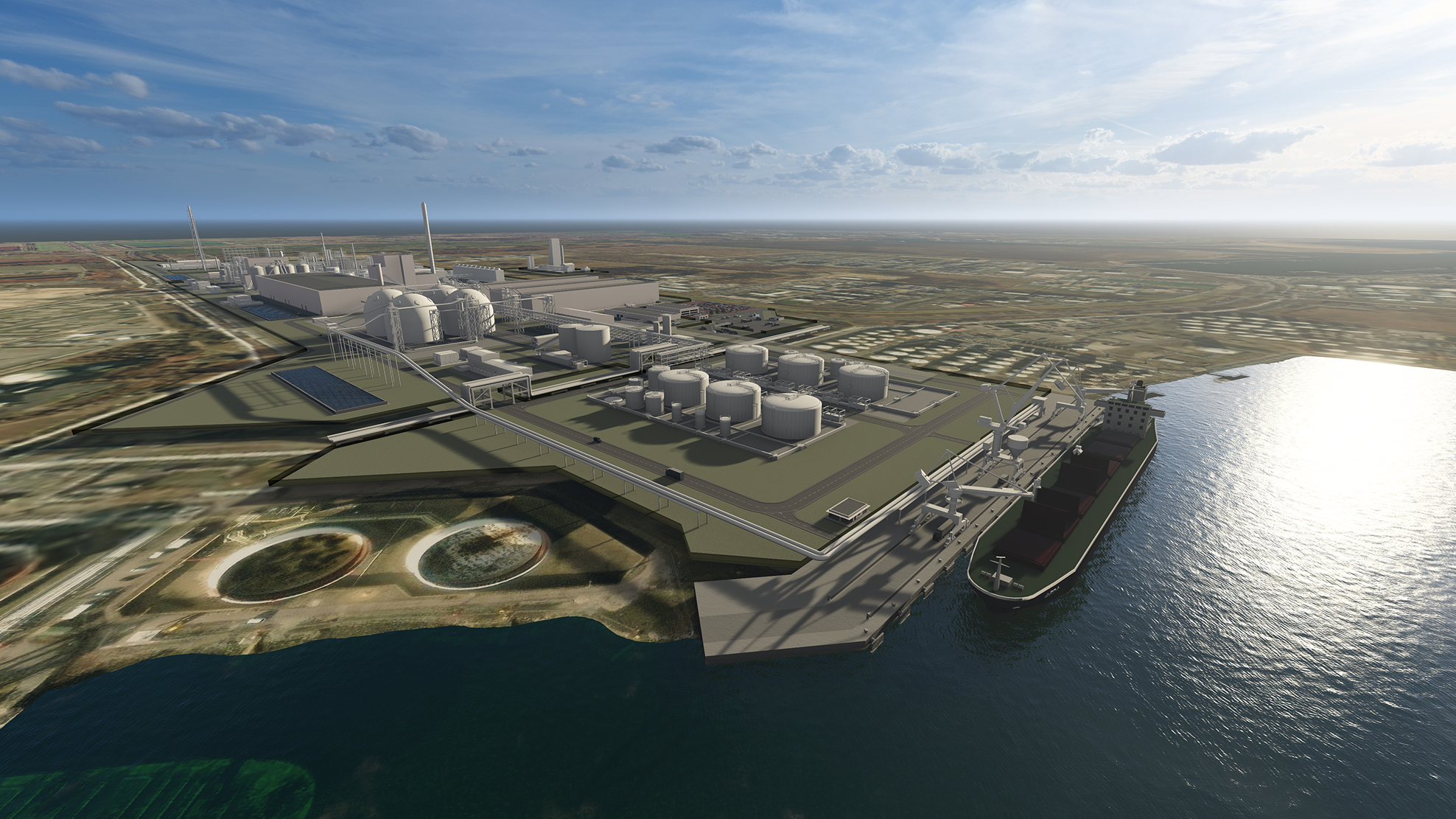
- Global engineering and project delivery company Alfanar has completed Front-End Engineering Design (FEED) for its Lighthouse Green Fuels (LGF) Sustainable Aviation Fuel (SAF) project in Teesside, together with engineering partner Worley
- Completion of FEED marks a defining milestone for the project and establishes LGF as one of the most advanced second-generation SAF developments globally and the first such project in Europe to complete FEED
- The milestone significantly de-risks the project ahead of Final Investment Decision (FID), confirming technical integration, engineering configuration, capital cost certainty and delivery strategy for the facility
- Expected to reach FID by the end of 2027 with targeted operations in 2032, the project will be one of the world’s largest SAF facilities and the first commercial-scale refinery to be built in the UK since the 1960s
Global project development, manufacturing and engineering group Alfanar has today announced the successful completion of Front-End Engineering Design (FEED) for its Lighthouse Green Fuels (LGF) Sustainable Aviation Fuel (SAF) project in Teesside, delivered in partnership with Worley.
The completion of FEED represents one of the most important milestones in the development of a large-scale infrastructure project, particularly for a first-of-a-kind second-generation SAF facility. Reaching this milestone proves that LGF has now moved beyond concept stage into a robustly engineered industrial project with a credible pathway to delivery and all core technology licences secured.
Located at Seal Sands on Teesside, LGF is a world-leading second-generation SAF facility that is among the most advanced in Europe and will be one of the largest of its kind globally once operational. With completion of FEED, it has become the first second-generation SAF project in Europe to reach this level of engineering maturity. The project will also be the UK's first new refinery since the 1960s.
FEED completion confirms the technical integration and engineering configuration for the facility, including feedstock handling, gasification, Fischer-Tropsch fuel synthesis, utilities, storage infrastructure and potential integration with carbon capture and storage (CCS) infrastructure on Teesside.
Once operational, the facility will produce 180 million litres of SAF per year and 30 million litres of renewable naphtha, from sustainably sourced biomass feedstocks, including forestry and agricultural residues.
With access to CCS, the project can produce carbon-negative fuel, reducing lifecycle emissions by over 200% compared to conventional jet fuel. This means that once fully operational in 2032, LGF could contribute around 46% of the total UK SAF Mandate on a greenhouse gas emissions basis, compared to around 20% without CCS.
This latest milestone follows the recent announcement that LGF has been selected by Defra as a pilot project for the Lead Environmental Regulator programme, alongside Sizewell C, reflecting the project’s strategic importance to the UK’s clean energy ambitions.
Development activities continue to advance across multiple workstreams. Planning and consenting remain on track, with submission of the Development Consent Order (DCO) application expected in the summer. The project has also submitted its application for connection into the East Coast Cluster carbon capture and storage network in Teesside, while Heads of Terms have been signed with major feedstock suppliers and SAF offtake agreements are progressing.
In parallel, project financing activities are advancing, as the project moves towards Final Investment Decision (FID), targeted for the end of 2027. To date, Alfanar has invested approximately £90 million into the project, with a further £100 million expected to be committed ahead of FID.
Noaman Al Adhami, UK Country Head at Alfanar, said:
“Completing FEED is a defining milestone for Lighthouse Green Fuels and a major step forward not just for the project, but for the UK SAF industry more broadly.
Reaching this level of engineering maturity demonstrates that large-scale second-generation SAF production is technically credible, commercially serious and ready to reach FID on schedule at the end of 2027, ahead of targeted operations by 2031.
Together with Worley and our wider project partners, we have now established the engineering foundation for one of the most advanced SAF facilities anywhere in the world.
At a time of growing concern around energy security, fuel resilience and industrial competitiveness, projects like LGF can play a critical role in strengthening domestic fuel supply chains, supporting economic growth and positioning the UK as a global leader in sustainable fuels.”
Hicham Kabbaj, Worley President, Global Operations - EMEA, said:
“Completing FEED for the Lighthouse Green Fuels project is a defining step in advancing Alfanar’s flagship SAF development toward execution.”
“It demonstrates Worley’s ability to translate early-stage vision into a clear, deliverable pathway that enables complex, sustainable projects to progress with confidence.”
%20-%20WDN%202.jpg)
.png)
Stay Updated on the Journey to Jet Zero
Follow the latest developments from Lighthouse Green Fuels as we progress one of the world's most advanced Sustainable Aviation Fuel facilities in Teesside.