Why Teesside? The Industrial Foundations Behind the UK’s Largest SAF Project
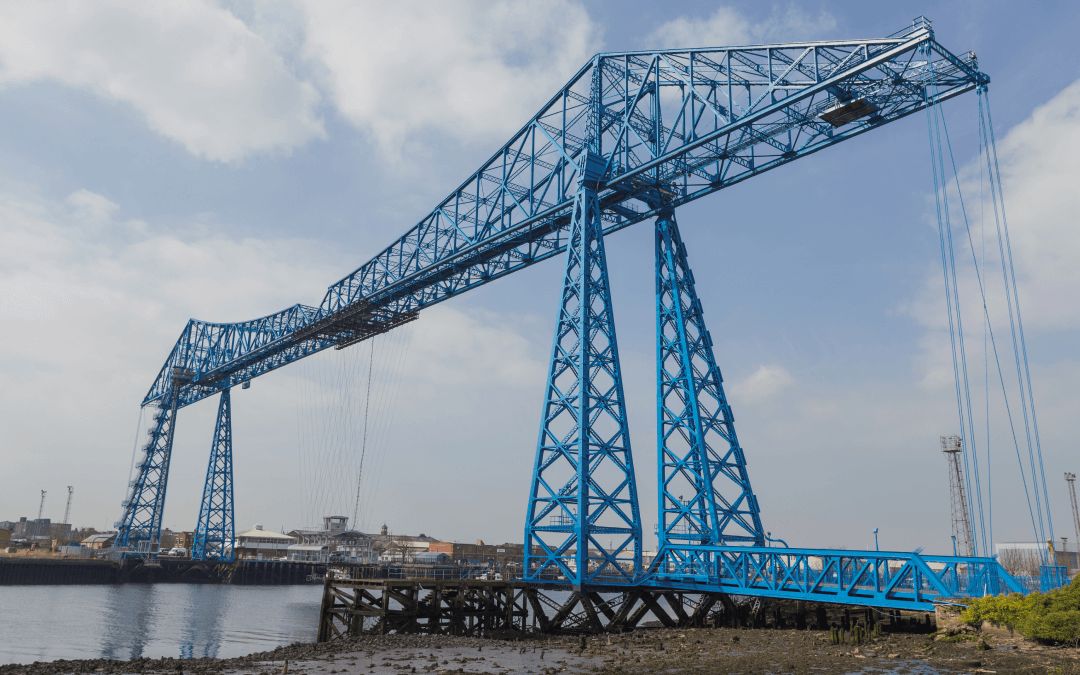
Delivering Sustainable Aviation Fuel (SAF) at commercial scale is not simply a question of technology. It requires the right industrial ecosystem: land at scale, proven infrastructure, integrated logistics, skilled people, and a clear pathway to deep decarbonisation. Teesside brings all of these elements together in one location.
That is why it is home to the UK’s flagship second-generation SAF project - and why our presence here materially strengthens our ability to deliver at scale, on time, and with confidence.
A step-change in scale, integration and deliverability
The newly proposed site represents a fundamental upgrade in what this project can achieve.
A larger, consolidated footprint allows us to bring the entire SAF production process together in one location: feedstock receipt and storage, feedstock pre-treatment, gasification, Fischer–Tropsch synthesis, upgrading, storage, and outbound logistics.
The result is a fully integrated facility: fewer interfaces that maximise efficiency and cut emissions across the value chain.
Single-site SAF production: designed for lower risk, faster delivery and lower carbon
SAF production on a commercial scale requires reliability and precision. By consolidating the full production chain on one site, we simplify delivery and reduce execution risk.
This single-site model delivers:
- Lower execution risk: fewer hand-offs, fewer logistics challenges, clearer integration
- Operational efficiency: direct delivery of feedstock enables tighter process control, lower lifecycle emissions and optimised plant performance
- Capital efficiency: modular equipment can be delivered and installed, lowering on-site construction costs
- Investor certainty: clear and auditable single-site processes ensure long-term performance and reliability
Teesside: the right home for the UK’s flagship SAF facility
The Teesside location specifically brings a set of logistical advantages that position the project for successful delivery and reinforce its economic viability.
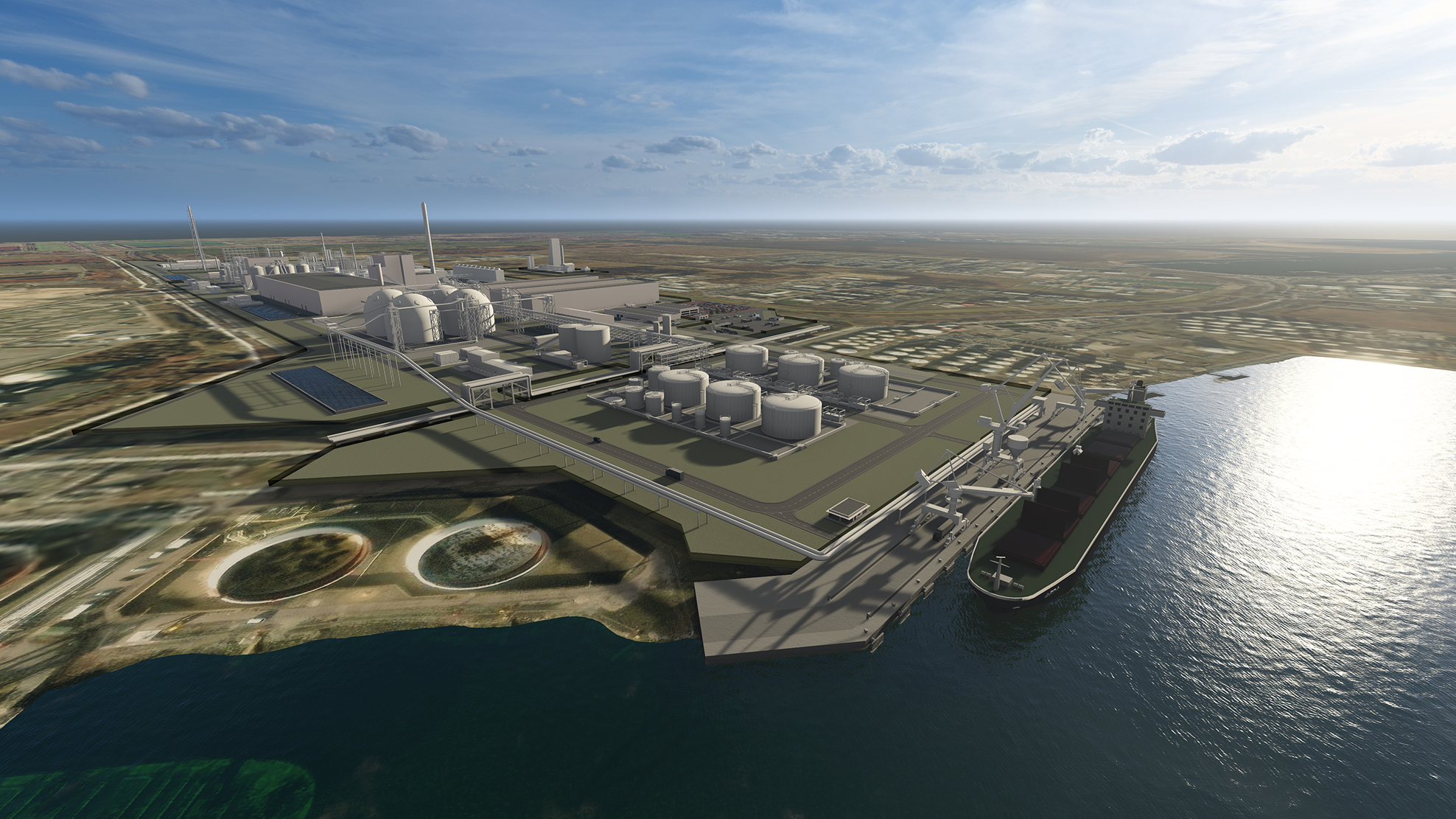
Quay access
Direct quay access provides a significant logistical advantage across both construction and long-term operations. Construction equipment and feedstock can be delivered efficiently, reducing reliance on road transport and supporting a more streamlined construction programme.
The site also benefits from jetty access, enabling the export of SAF and green naphtha by marine transport. This strengthens outbound logistics, supports access to domestic and international markets and enhances the project’s long-term operational resilience.
Access to road and adjacent rail facilities
With both rail and road networks we build-in resilience and flexibility for long-term operations that will support the efficient movement of materials and products.
Carbon capture readiness: aligning SAF delivery with the UK’s net-zero pathway
Teesside’s role at the centre of the UK’s industrial decarbonisation strategy provides Lighthouse Green Fuels with a clear and credible pathway to integrate with carbon capture and storage (CCS).
The project has been deliberately located to align with Teesside’s CO₂ transport and storage infrastructure which will enable further reductions in lifecycle greenhouse gas emissions and the possibility of carbon-negative SAF.
This capability is central to the UK’s SAF mandate ambitions and to establishing Britain as a leader in next-generation aviation fuels – fuelling future flight through industrial-scale SAF delivery.
Teesside’s industrial workforce: capability built over generations
Geography aside, another advantage lies in the fact we can tap into one of Teesside’s greatest strengths: its people.
Teesside has deep-rooted industrial DNA -a region shaped by steelmaking, chemicals, engineering, and large-scale manufacturing.
Today, the region is home to engineers, operators, fabricators, technicians, tradespeople, and supply-chain specialists who understand complex industrial plants inside out. This gives LGF a foundation of proven capability to draw from.
And the impact is significant. Our project is expected to create:
- Over 2,000 jobs during construction, supporting local contractors, trades, suppliers, and service providers
- 300 full-time skilled operational roles once the plant is running, from process engineers to control-room technicians to maintenance teams
- 3,400 full time equivalent jobs UK wide during operations from the wider supply chain that the project will create
The economic benefits the project is projected to bring are also substantial: contributing £3.8bn to the UK as a whole and £750 million to the Teesside area over 25 years.
For a region with deep industrial pride and a growing clean-energy sector, LGF represents new opportunity built on familiar strengths.
Community and regional value: the long-term legacy
We see Teesside and its community as partners in our project’s future.
- Quality employment opportunities both during construction and operation
- Skills growth and apprenticeships building pathways into engineering, operations and maintenance
- Economic uplift from new investment supporting local businesses and supply chains
- Regeneration of a brownfield site: putting long-standing industrial land back into productive use
- Transparent, responsible engagement through ongoing community dialogue
Our commitment is long-term: to build a facility that delivers for Teesside, supports national energy resilience, and strengthens the UK’s leadership in sustainable aviation.
Why Teesside? Because it makes this project stronger.
Teesside gives LGF the industrial capability, infrastructure, skills, and momentum required to deliver the UK’s largest SAF plant and to do so with confidence.
Tees Valley Mayor Ben Houchen, on his visit to the Alfanar Group’s London HQ, reiterated the point:
“Developments such as Lighthouse Green Fuels put our region at the forefront of a growing industry which is primed for massive expansion and will deliver thousands of jobs and billions of pounds in investment in coming years.
We have the skills, infrastructure and passion to attract world-class projects and we will not stop here. We are tirelessly working to promote our region – including the UK’s most successful Freeport – as a first-choice location for national and internal investment.”
In short, Teesside is the right site for an ambitious project. It is the right region for a new generation of industrial opportunities. And it is has all of the ingredients to deliver sustainable flight at commercial scale and fuel future flight for the UK and beyond.
To follow progress on the UK’s largest second-generation SAF project, sign up for our quarterly project updates.
%20-%20WDN%202.jpg)
.png)
Stay Updated on the Journey to Jet Zero
Follow the latest developments from Lighthouse Green Fuels as we progress one of the world's most advanced Sustainable Aviation Fuel facilities in Teesside.