Bringing commercial-scale Sustainable Aviation Fuel production to the UK
Fuelling Future Flight
From Seal Sands, Teesside, we're developing a new commercial-scale refinery producing 180 million litres of Sustainable Aviation Fuel (SAF) every year. Using proven gasification and Fischer–Tropsch technologies to turn biogenic wastes and residues into aviation fuel, Lighthouse Green Fuels will help establish a new source of UK-made SAF.
SAF produced annually
Investment in Teesside
Brownfield site
Peak on-site construction jobs
Bringing aviation fuel production to the UK
Aviation depends on a reliable supply of jet fuel, and around two-thirds of the UK's demand is met by imports.
Lighthouse Green Fuels will establish large-scale domestic SAF production in Teesside, building UK fuel manufacturing capability and supporting the transition to lower-carbon aviation.
SAF is a lower-carbon alternative to conventional jet fuel. Blended with conventional jet fuel, it works in today's aircraft and existing fuel infrastructure.

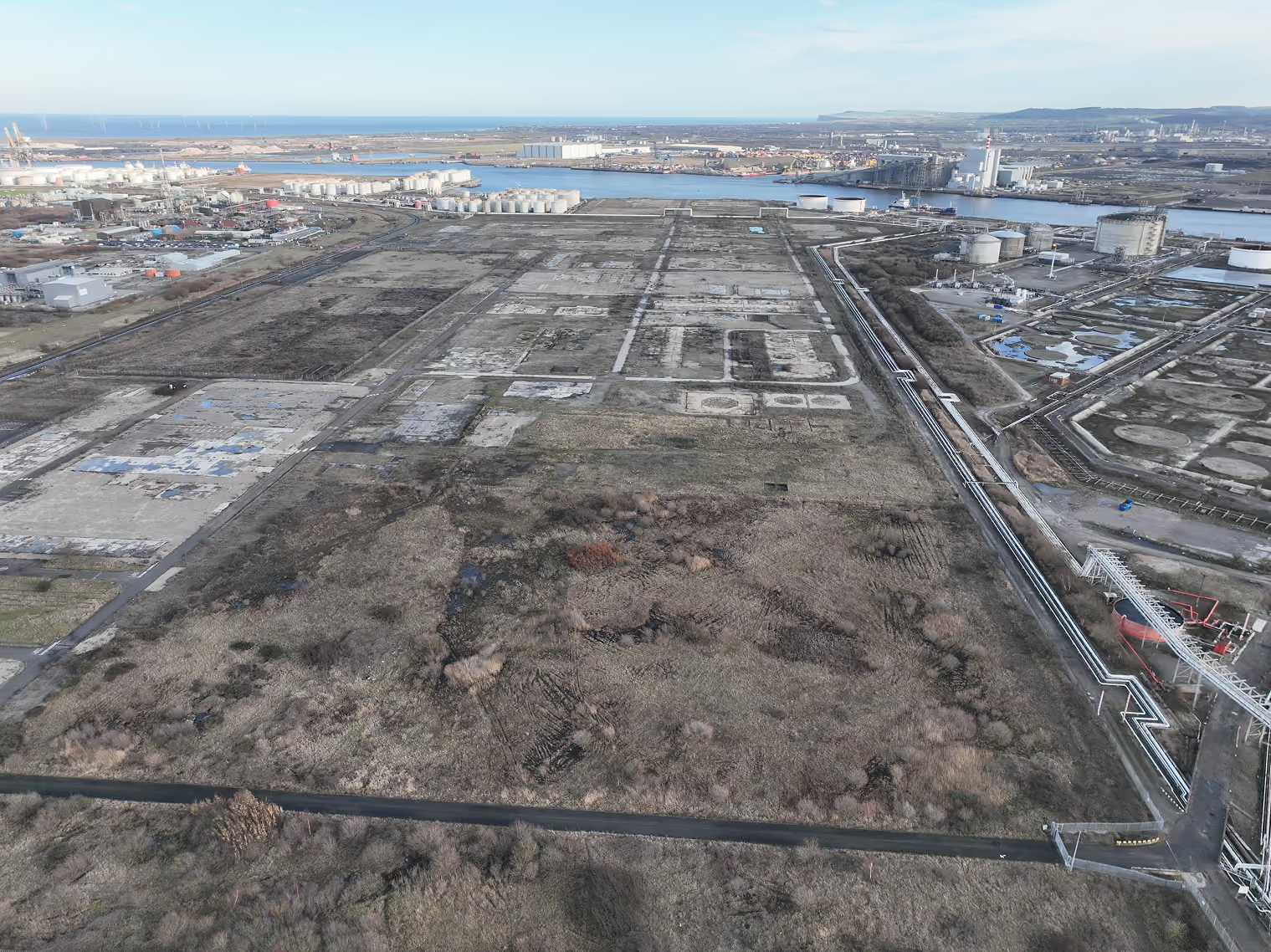
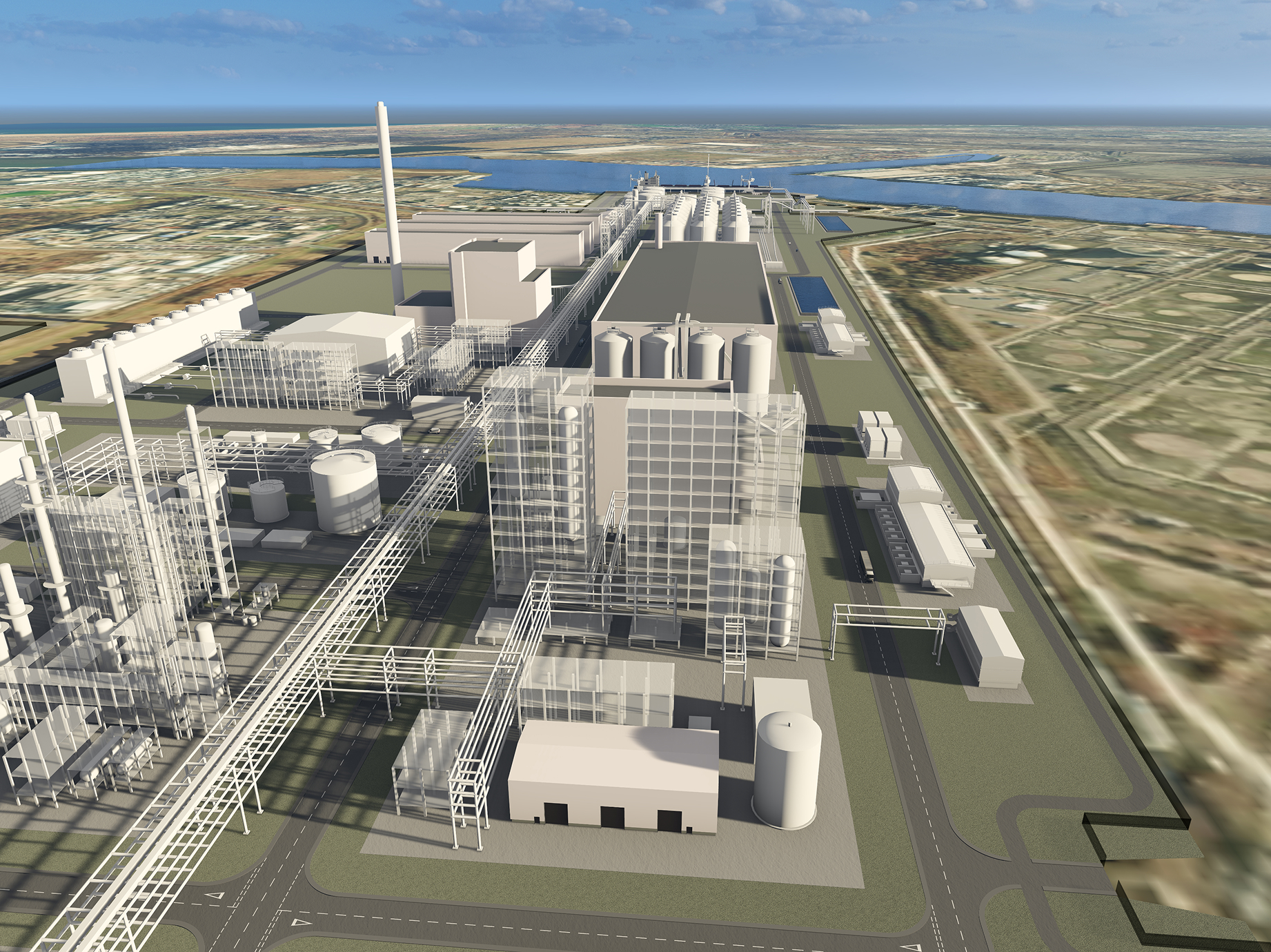
A new refinery. A new source of UK-made SAF.
Lighthouse Green Fuels is a multibillion-pound project in one of the UK's most important industrial regions.
The facility is being developed on a 270-acre brownfield site at Seal Sands, bringing new industrial activity to land with a long history of manufacturing.
At full capacity, the facility will produce:
180 million
litres of Sustainable Aviation Fuel annually
30 million
litres of renewable naphtha annually
1.5
million
tonnes of biogenic wastes and residues processed annually
This is infrastructure built for commercial scale: a new industrial asset for Teesside and a new source of fuel for UK aviation.
Turning waste into jet fuel
Lighthouse Green Fuels will convert sustainably sourced biomass residues, including forestry and sawmill residues, into aviation fuel.
Through gasification, the biomass is converted into synthesis gas, which is then transformed into hydrocarbons using Fischer–Tropsch technology before being refined into SAF. The process will also produce renewable naphtha as a co-product.
Carbon capture is integrated into the project's design. A high-purity stream of CO₂ is separated during fuel production, creating the opportunity for capture and permanent storage through the developing Teesside carbon capture and storage network.
With access to CCS infrastructure, Lighthouse Green Fuels has the potential to deliver significantly greater lifecycle carbon savings.
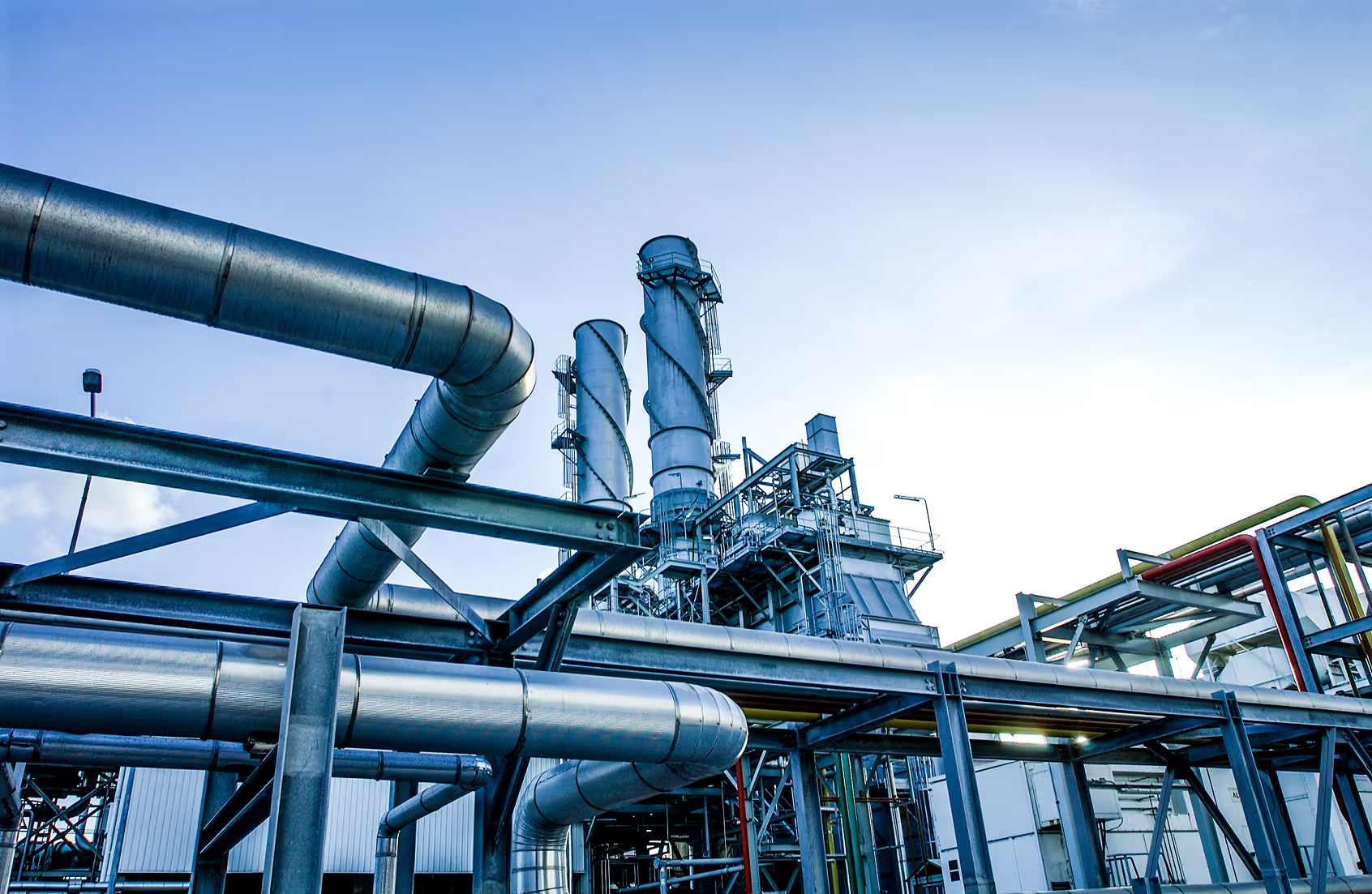
Built on Teesside's industrial heritage. Designed for its future.
Teesside has built industries that have powered the UK for generations. Lighthouse Green Fuels builds on that industrial foundation, bringing new investment, technology and skilled employment to the region.
The project is expected to support thousands of jobs during construction and generate long-term economic activity across Teesside and the wider UK supply chain.
Independent analysis has identified more than £8 billion of potential UK economic value associated with the project over its construction and operational periods.
The benefits will extend beyond the refinery itself, creating opportunities for businesses across engineering, construction, manufacturing, logistics and the wider energy and aviation supply chains.
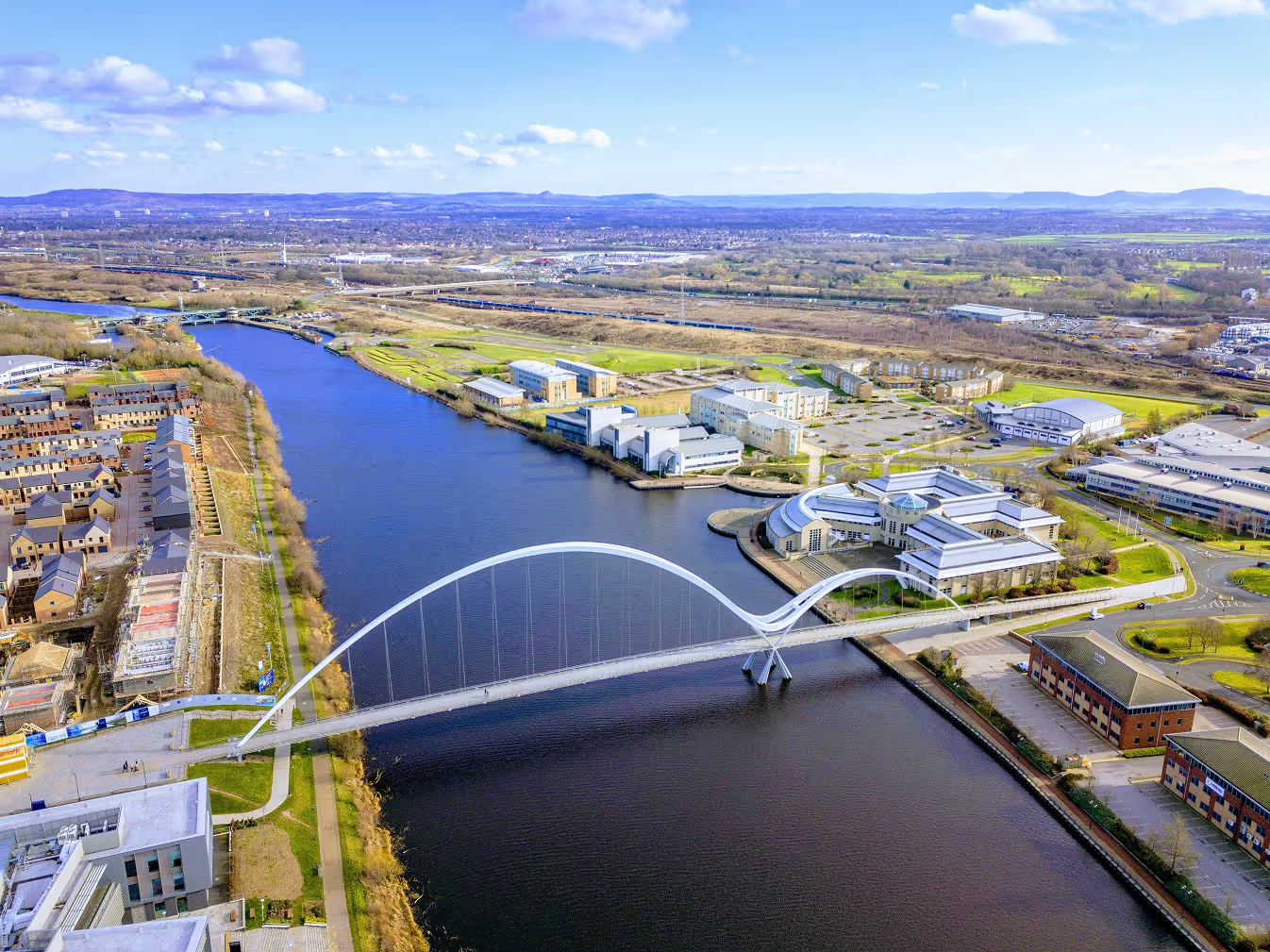
Lighthouse Green Fuels has moved from concept towards delivery.
FEED complete
Front-End Engineering Design has been completed, establishing the technical basis for the facility.
Development underway
The project is progressing through planning, commercial and financing workstreams.
The next stage
Taking the project towards final investment decision and construction.
Building the future of UK aviation
From Teesside, Lighthouse Green Fuels is developing the infrastructure to bring commercial-scale Sustainable Aviation Fuel production to the UK.
Keep up to date with the latest milestones as we work to deliver a new generation of British fuel production from Teesside.